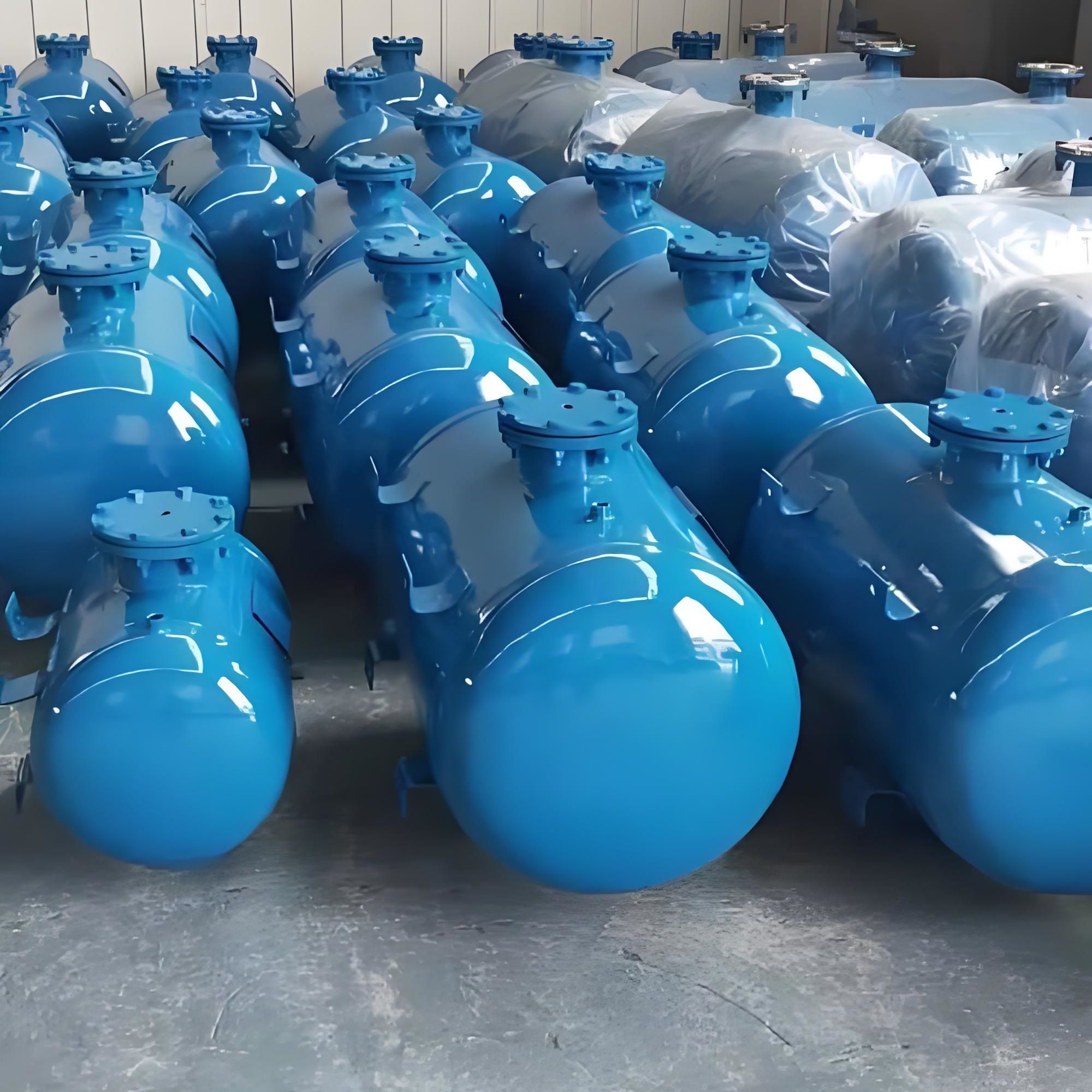
KQP-B-30 Air Cannon Coal mines, power plants, coal preparation plants, aluminum plants, batching plants, etc.
KQP-B-30 Air Cannon delivers powerful, targeted bursts to prevent material buildup in chutes, hoppers, and silos. Ideal for coal mines, power and aluminum plants, and batching lines. Improves flow reliability, reduces downtime, and lowers maintenance costs.
- Brand: HNSZ
- SKU: 1480
- Shipping:
- Return Policy: <div class="return-policy"> <h2>No-Risk Return Policy</h2> <p>Not 100% satisfied? We make returns easy.</p> <div class="highlight-box"> <h3>🔄 30-Day Returns</h3> <p>Return any item in original condition within 30 days for a full refund.</p> </div> <h3>📦 How to Return:</h3> <ol> <li><strong>Contact us</strong> at returns@yourstore.com with your order number</li> <li><strong>Get approval</strong> + return shipping label (if applicable)</li> <li><strong>Ship back</strong> via prepaid method</li> </ol> <h3>❗ Important Notes:</h3> <ul> <li>Refunds exclude original shipping fees</li> <li>Customs duties on international returns are non-refundable</li> <li>Final sale items marked "Non-returnable" are excluded</li> </ul> <p>🔔 <em>Need help? Chat live with our support team → [右下角聊天图标]</em></p> </div>
Learn More
KQP-B-30 Air Cannon – Technical Specifications & Installation Manual
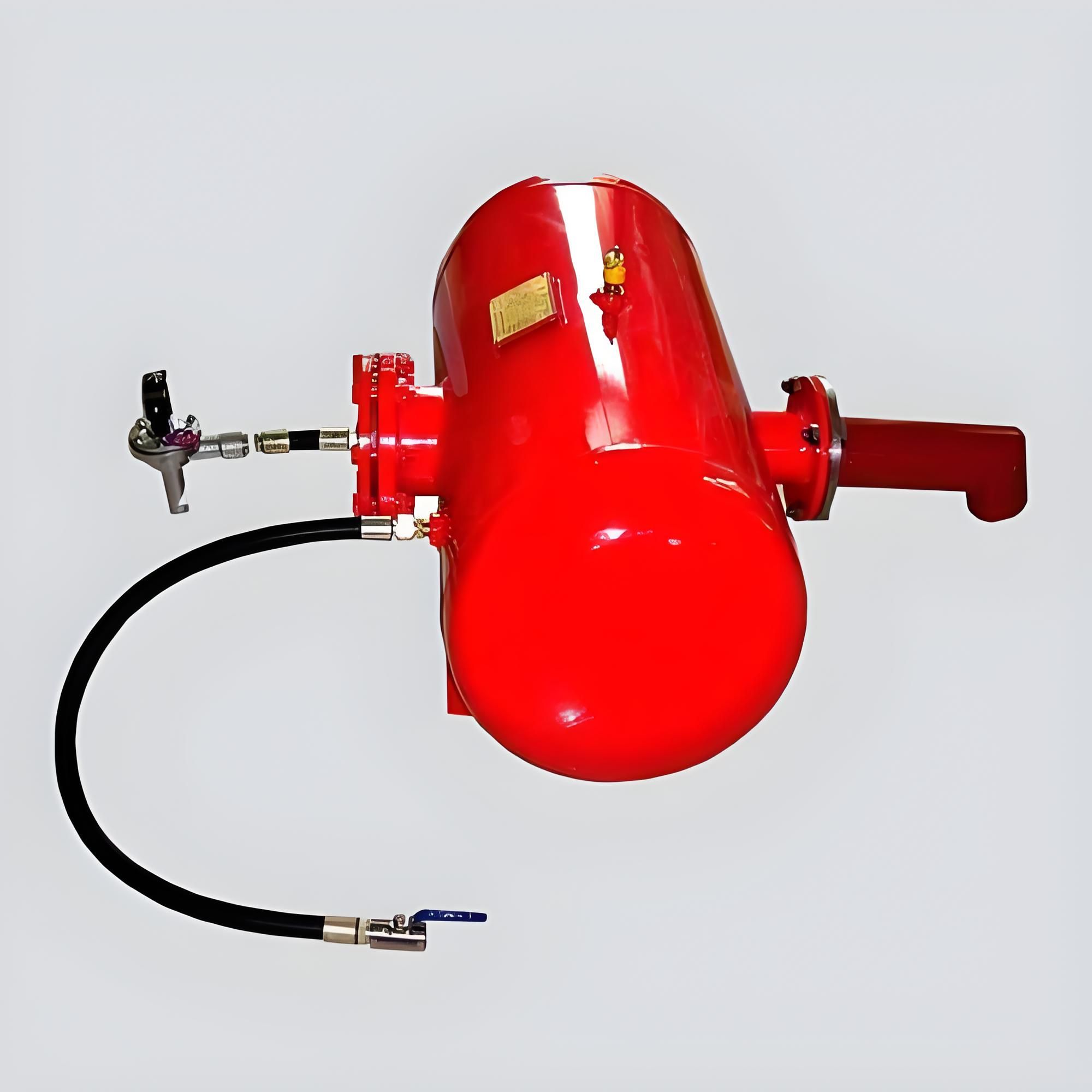
I. Basic Attributes
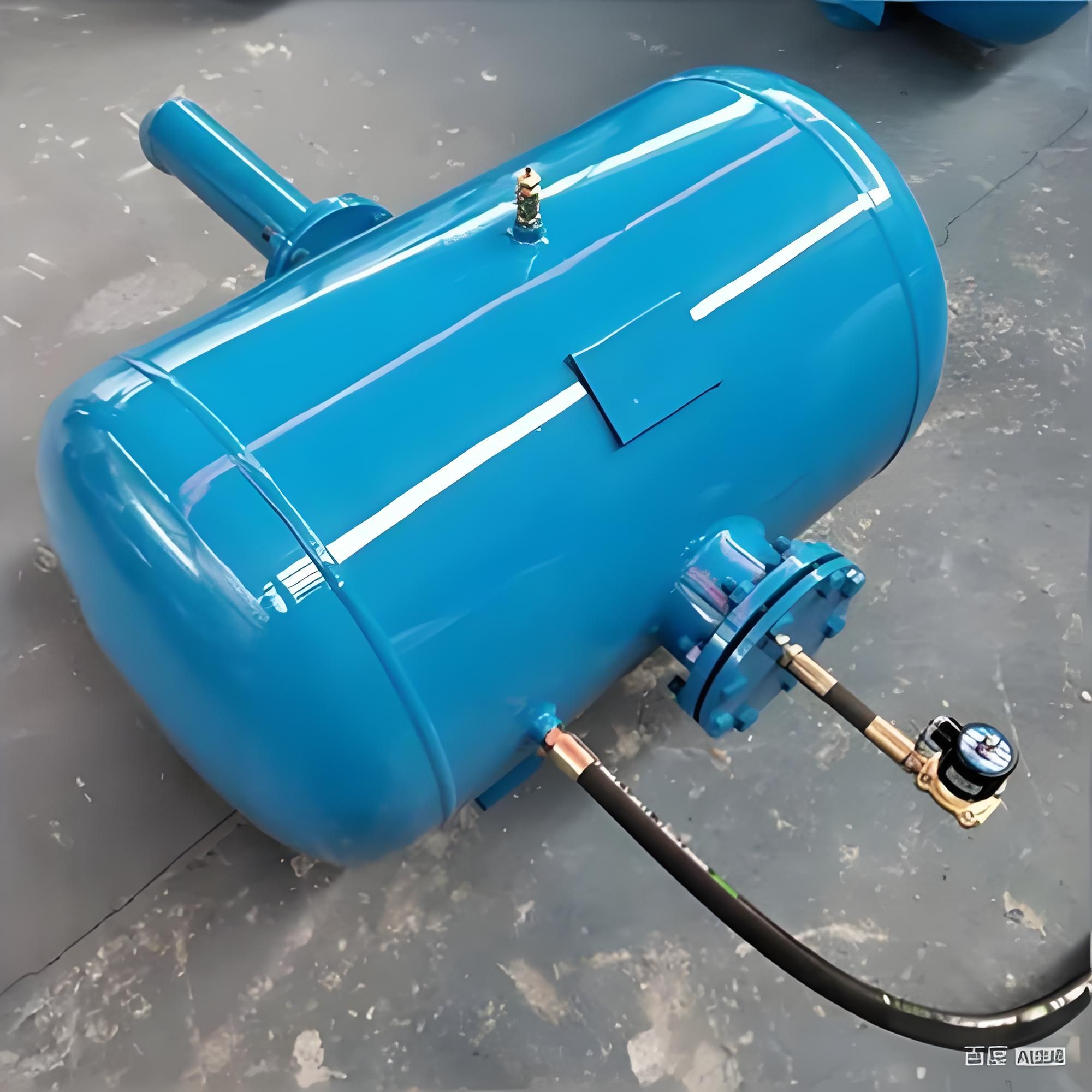
The KQP-B-30 Air Cannon is a small-volume arch-breaking device in the KQP-B series, with a tank volume of 30L. It is a widely used mainstream base model in the market, also known as a bin activator, blockage clearing device, or pneumatic flow aid. It is suitable for clearing material arches and blockages in small to medium-sized silos and hoppers handling powdery and granular materials.
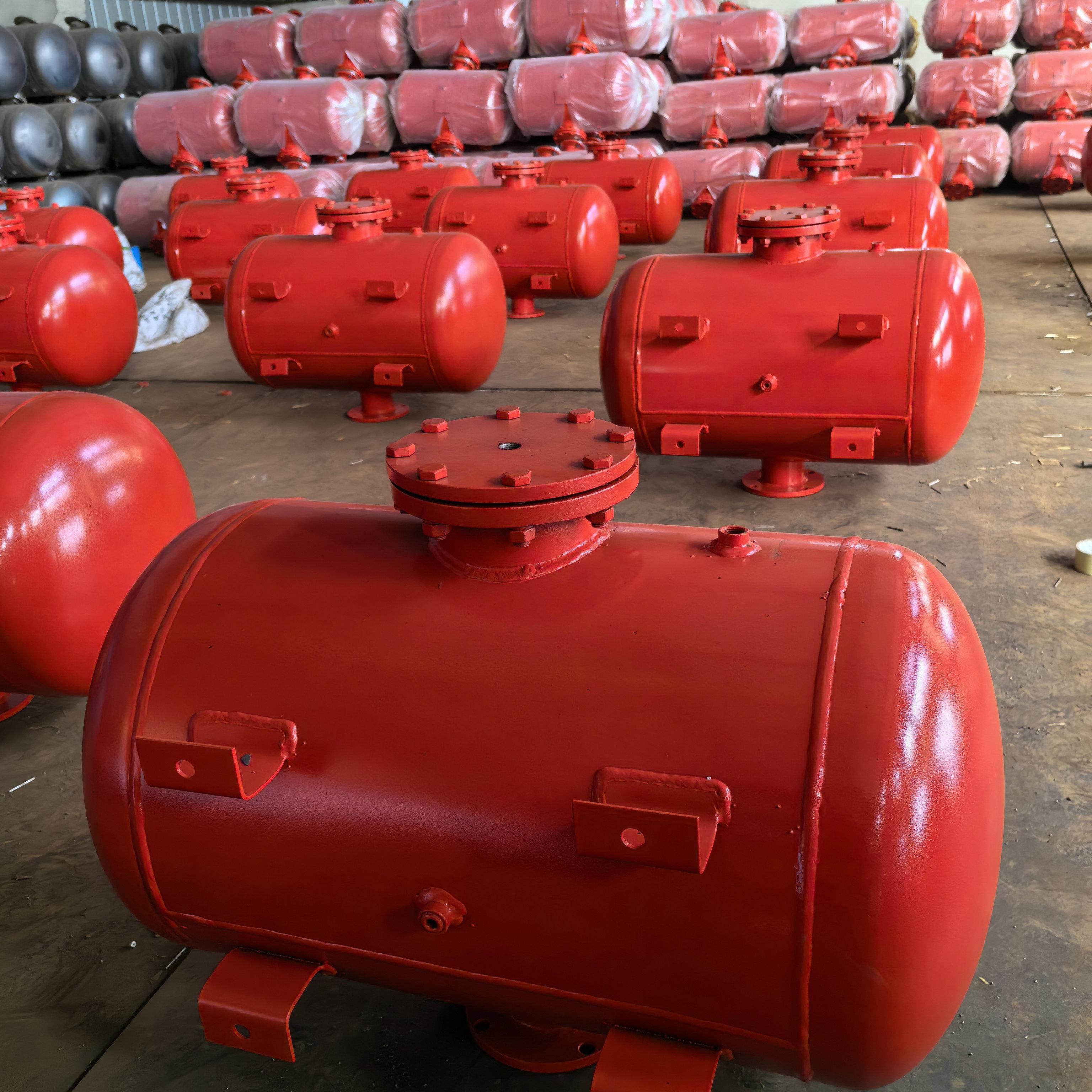
II. Core Technical Parameters
Operating Pressure: 0.4–0.8 MPa, compatible with an air source pressure range of 0.3–1.0 MPa
Discharge Impact Force: 4,500–9,800 N
Operating Temperature: -20°C to 1200°C, suitable for both ambient and high-temperature working conditions
Rated Voltage: 380V, with customization available upon request
Installation Dimensions: Length 310 mm × Width 190 mm, featuring a compact overall structure
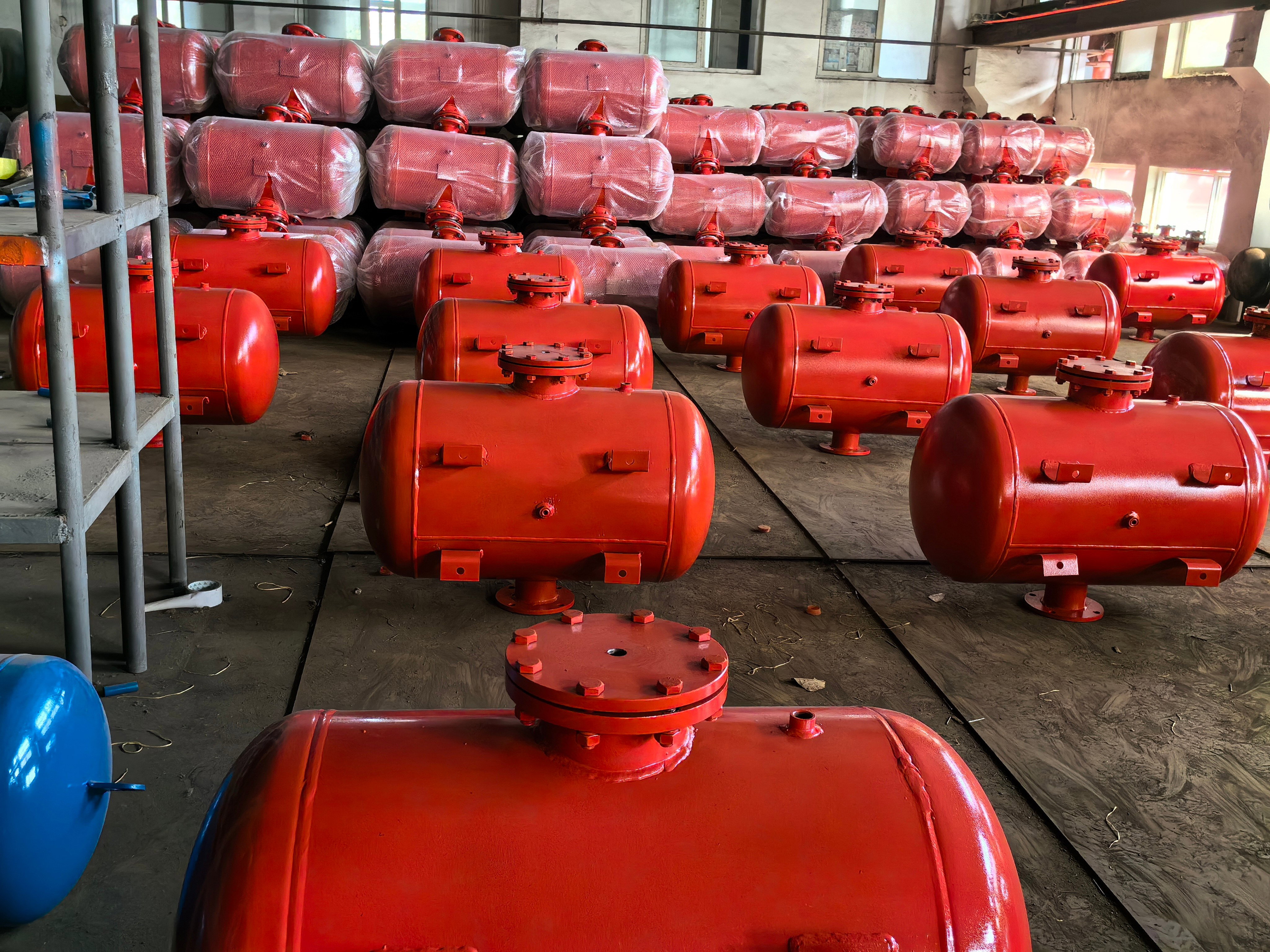
III. Structure and Working Principle
The equipment consists of three main parts: the main tank body, the pneumatic system (air supply pipeline, solenoid directional valve, ball valve, etc.), and the electrical control system. It operates on aerodynamic principles: compressed air is first charged into the tank for energy storage. Upon reaching the preset pressure, the high-pressure airflow is instantly discharged, generating a supersonic shockwave that breaks material arches and adhesion, thereby restoring material flow within the silo.
IV. Application Scenarios and Key Features
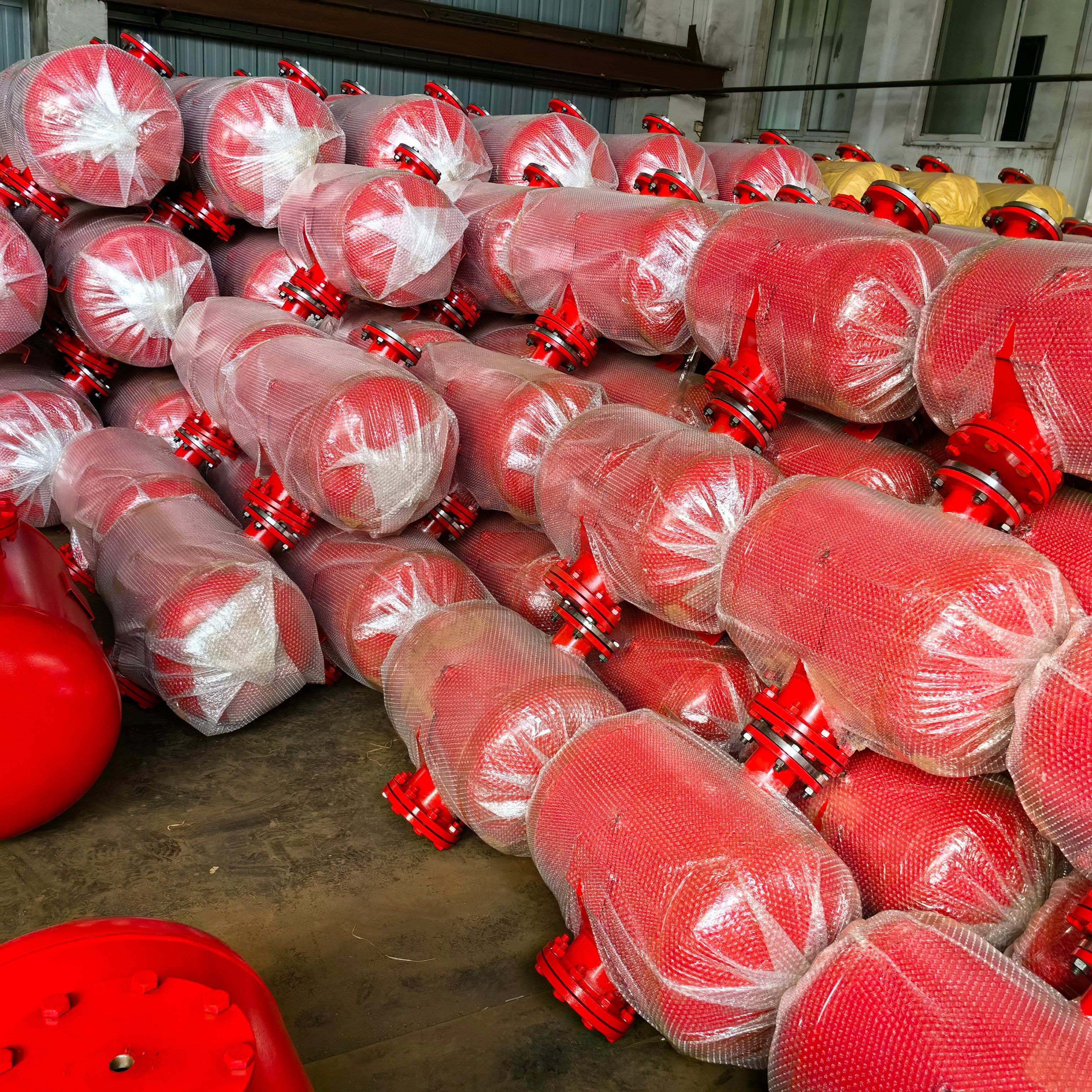
Applicable Industries: Coal mines, power plants, coal preparation plants, aluminum plants, batching plants, etc. Particularly effective for small silos containing powdery and small-granule materials.
Core Advantages: High blockage-clearing efficiency, easy installation and maintenance, supports both manual and automatic dual-mode control, designed for a service life of up to 1 million cycles, with operating noise significantly lower than industrial standards.
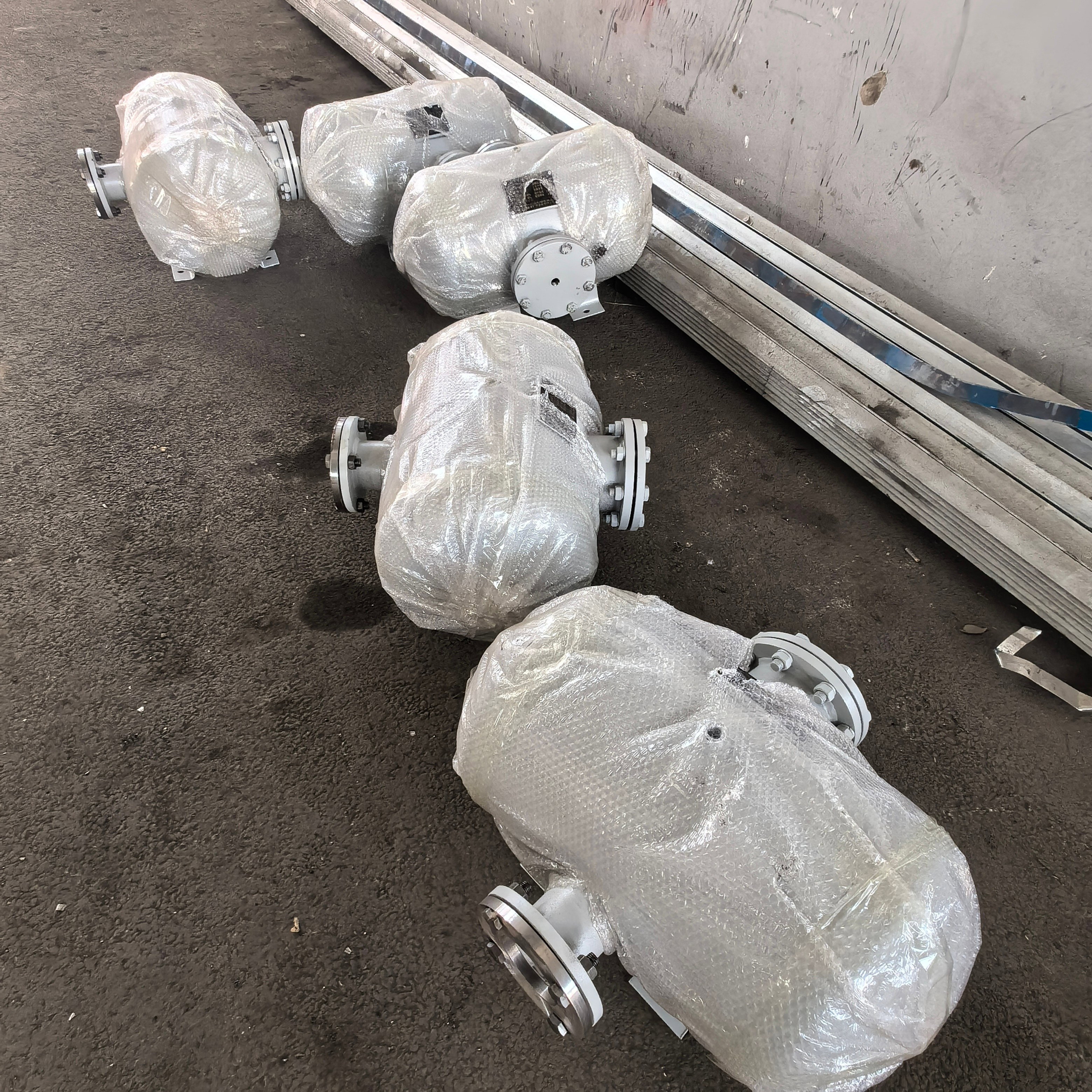
V. KQP-B-30 Air Cannon Installation Specifications
Discharge Nozzle Arrangement: The discharge pipe inside the silo must be tilted downward at an angle of no less than 15° from the horizontal line to prevent material backflow from clogging the nozzle.
Pneumatic Line Distance Requirement: In pneumatic control scenarios, the distance between the cannon body and the pneumatic control valve must not exceed 15 meters to ensure response speed.
Air Source Standards: All fittings and pipelines must be free of air leakage. Compressed air must be filtered and dried, with the operating pressure controlled within the range of 0.3–0.8 MPa.
Detailed Installation Requirements: The drain plug on the cannon body must face downward to facilitate periodic drainage of accumulated water. The intake ball valve should be installed in a position convenient for operation. Trial firing is strictly prohibited before the unit is fully secured to the silo.
Environmental Adaptation Requirements: When installed near hot equipment, the cannon body must maintain a clearance of ≥1.5 m, and the ambient temperature must remain below 80°C. When temperatures drop below -10°C, pipeline insulation must be applied.
Electrical Adaptation Requirements: The standard solenoid valve is rated at AC 220V, 15W. For underground explosion-proof scenarios, it must be replaced with a 127V/24V explosion-proof solenoid valve.
VI. Routine Maintenance Notes
Periodic Trial Firing to Clear Residual Material: When the silo is free of blockages, perform at least 3 firing cycles per shift to clear residual material buildup from the blast nozzle.
Air Source Component Inspection: Regularly check the lubricating oil level of the air compressor to ensure stable air supply.
Core Component Life Extension: Supply dry and clean compressed air, and use high-quality solenoid valves to extend the service life of piston seals.
Anti-Corrosion Treatment: It is highly recommended to use 304 stainless steel exhaust pipes to prevent rust contamination of the material from carbon steel components.