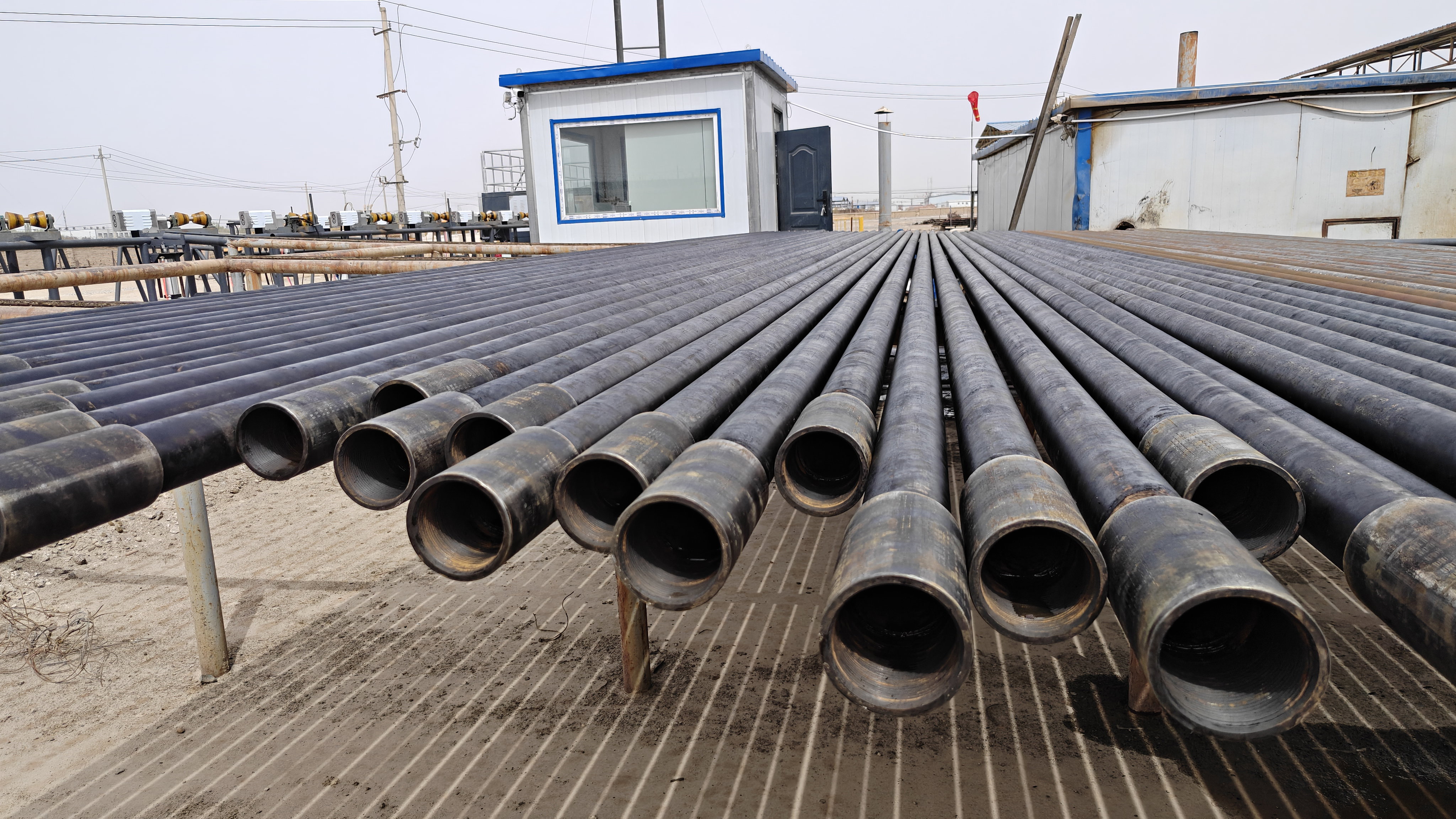
73 Environmentally-friendly Intelligent Fully-Automatic Oil Tubing Dry Cleaning Machine
Designed for efficient oil tubing dry cleaning, this fully-automatic system delivers consistent results with intelligent control and eco-focused operation. Minimize manual handling, enhance workplace cleanliness, and maintain tubing performance. A dependable solution for high-throughput sites seeking lower operating costs and stable quality.
- Brand: HNSZ
- SKU: 14
- Shipping:
- Return Policy: <div class="return-policy"> <h2>No-Risk Return Policy</h2> <p>Not 100% satisfied? We make returns easy.</p> <div class="highlight-box"> <h3>🔄 30-Day Returns</h3> <p>Return any item in original condition within 30 days for a full refund.</p> </div> <h3>📦 How to Return:</h3> <ol> <li><strong>Contact us</strong> at returns@yourstore.com with your order number</li> <li><strong>Get approval</strong> + return shipping label (if applicable)</li> <li><strong>Ship back</strong> via prepaid method</li> </ol> <h3>❗ Important Notes:</h3> <ul> <li>Refunds exclude original shipping fees</li> <li>Customs duties on international returns are non-refundable</li> <li>Final sale items marked "Non-returnable" are excluded</li> </ul> <p>🔔 <em>Need help? Chat live with our support team → [右下角聊天图标]</em></p> </div>
Learn More
Products information:
---------------------------------------------
1. Equipment Overview
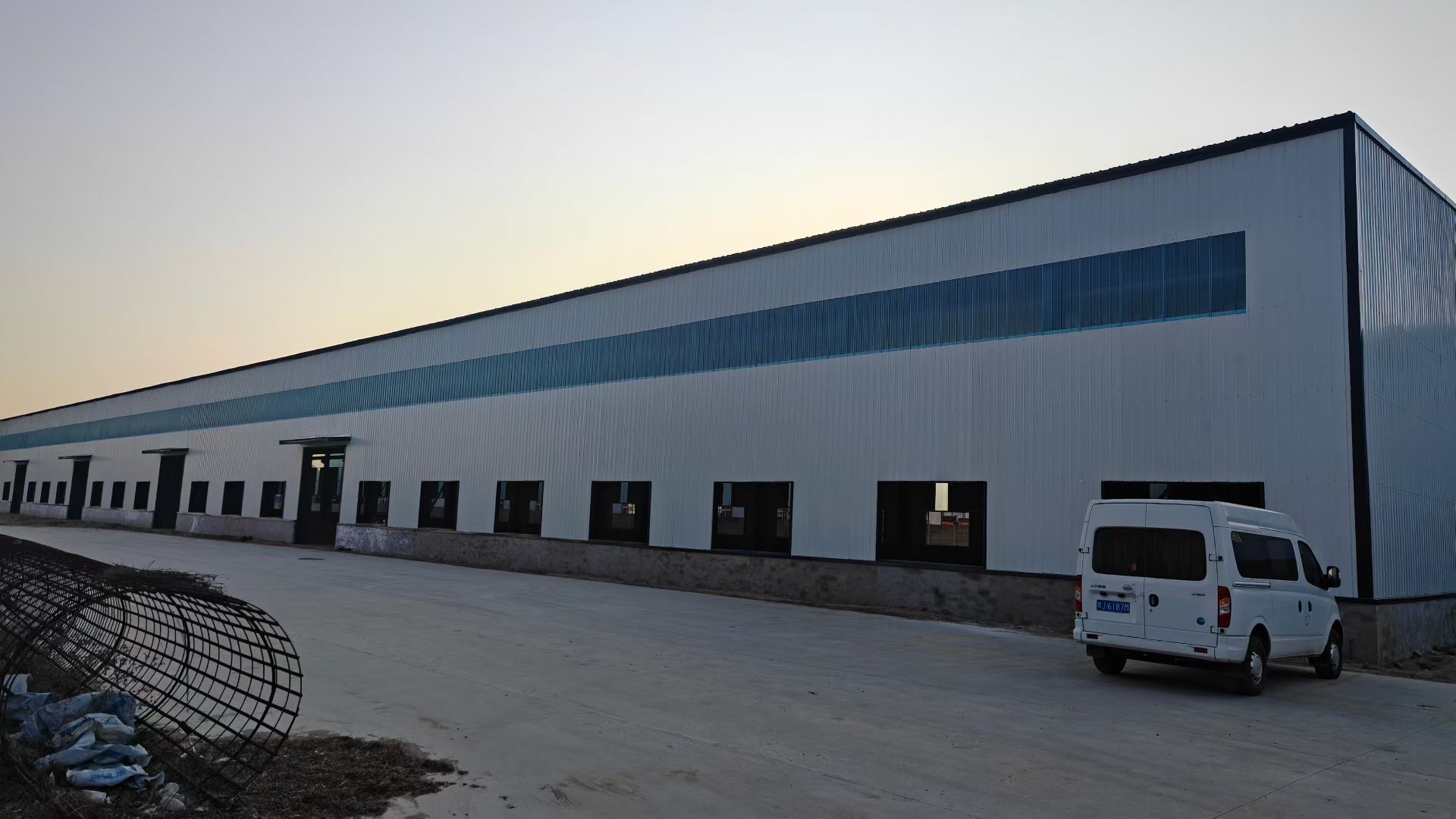
The oilfield-used tubing inner and outer wall dry cleaning machine is a water-free, chemical-free, non-contact industrial cleaning equipment specially designed for oil production scenarios. It is used to remove wax deposits, rust, sediment inside the tubing, as well as crude oil residues and corrosion products on the outer wall. This equipment completely avoids the problems of water resource waste, secondary pollution and equipment corrosion caused by traditional water washing and hot boiling methods. It complies with industry standards such as Cleaning Equipment (SY/T 5961-2014) and Technical Specifications and Test Methods for Pipeline Pigs (SY/T 6856-2020), and is one of the core supporting equipment for intelligent oilfields and green workover operations.
2. Core Functions and Technical Advantages
3. Equipment Composition and Working Principle
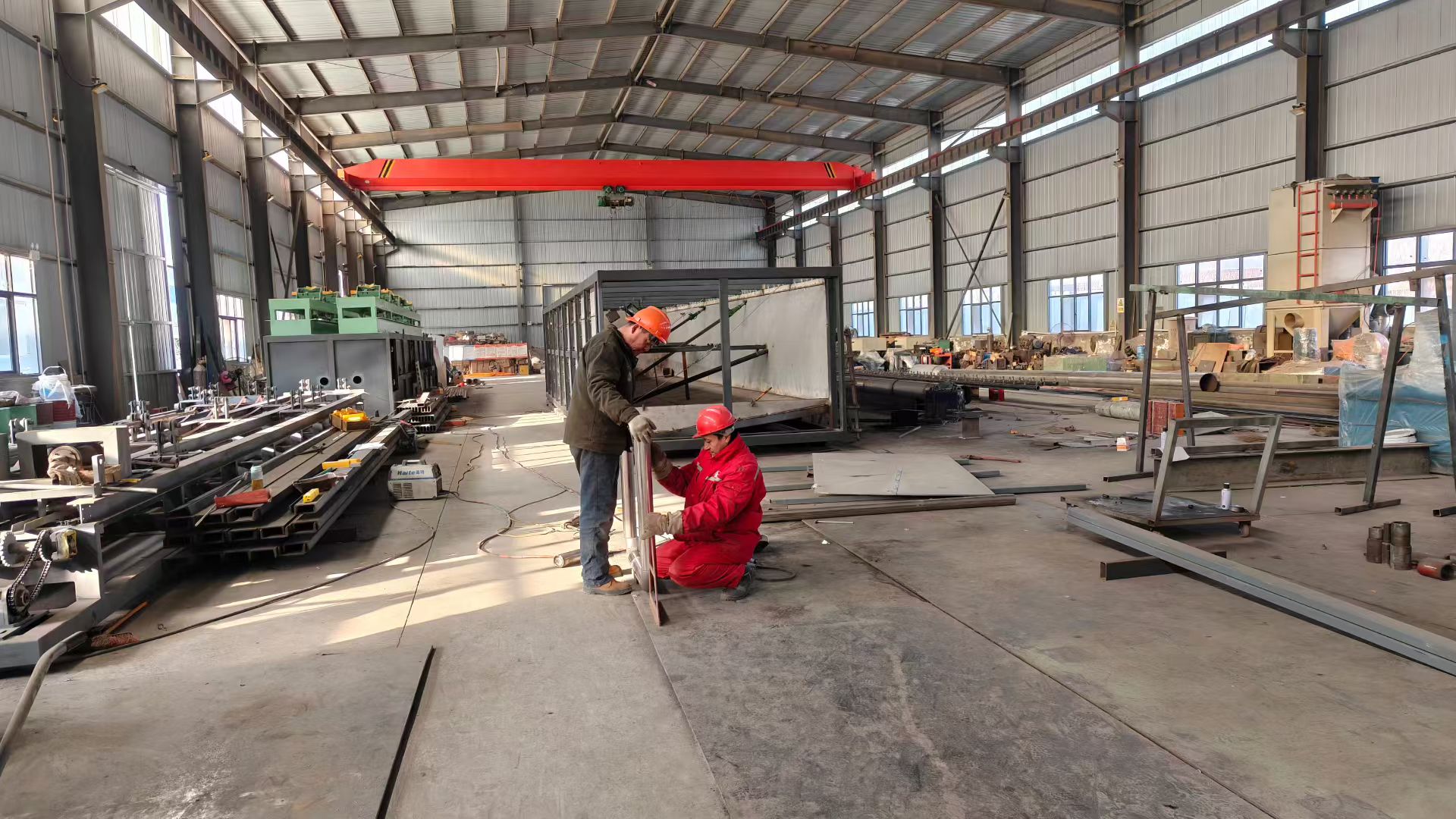
Equipment Composition (Industrial Structure)
- Inner Wall Cleaning Unit: Includes flexible scraping mechanism (with spring-limited oil scraper, steel wire rope for centralizing), rotary pneumatic nozzle (such as QHP5 type, driven by pneumatic motor, 360° rotation), high-density polyurethane sponge projectiles (driven by air pressure, with triple effects of scraping, adsorption and extrusion)
- Outer Wall Cleaning Unit: Surrounding high-pressure air nozzle array, rotary metal scraper or brush roller (rotating synchronously with the tubing)
- Power and Control System: High-pressure air supply system (0.6-1.0MPa), PLC intelligent control panel (supporting preset parameters, self-diagnosis of faults), impurity collection and filtration module (built-in cyclone separator)
- Auxiliary Structure: Automatic tubing loading/positioning/unloading manipulator, laser ranging and wall thickness monitoring sensor (optional)
Working Principle
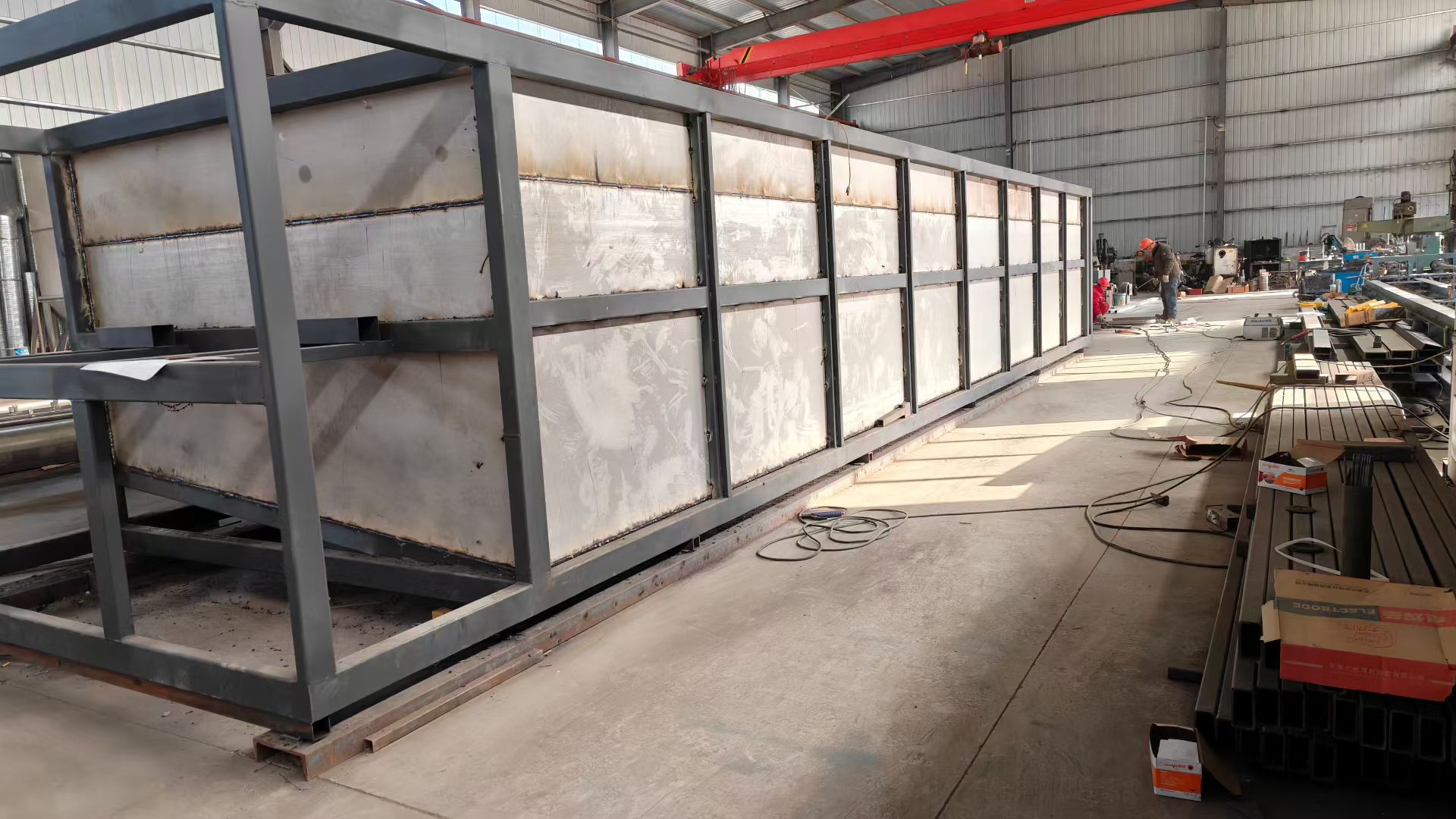
- Inner Wall Cleaning: The flexible scraping mechanism slides along the inner wall of the tubing, and the spring scraper expands to fit the wall under the action of inertia to scrape off wax deposits; or uses pneumatic sponge projectiles, which are driven by compressed air to pass through the inner cavity of the tubing at high speed, removing sediments through physical friction and adsorption, with no liquid residue in the whole process.
- Outer Wall Cleaning: The tubing rotates on the rotating idlers, and the surrounding nozzles on the outer wall spray high-speed dry cold air or particle media (such as dry ice particles), which peel off oil stains by low-temperature embrittlement and kinetic energy impact; or adopts the combination of rotary scraper + air blowing to realize simultaneous mechanical scraping and air blowing.
- Coordinated Control: The inner and outer cleaning units operate independently to avoid cross-contamination; the whole cleaning process is closed, and impurities are collected uniformly by the negative pressure collection system to achieve zero discharge.
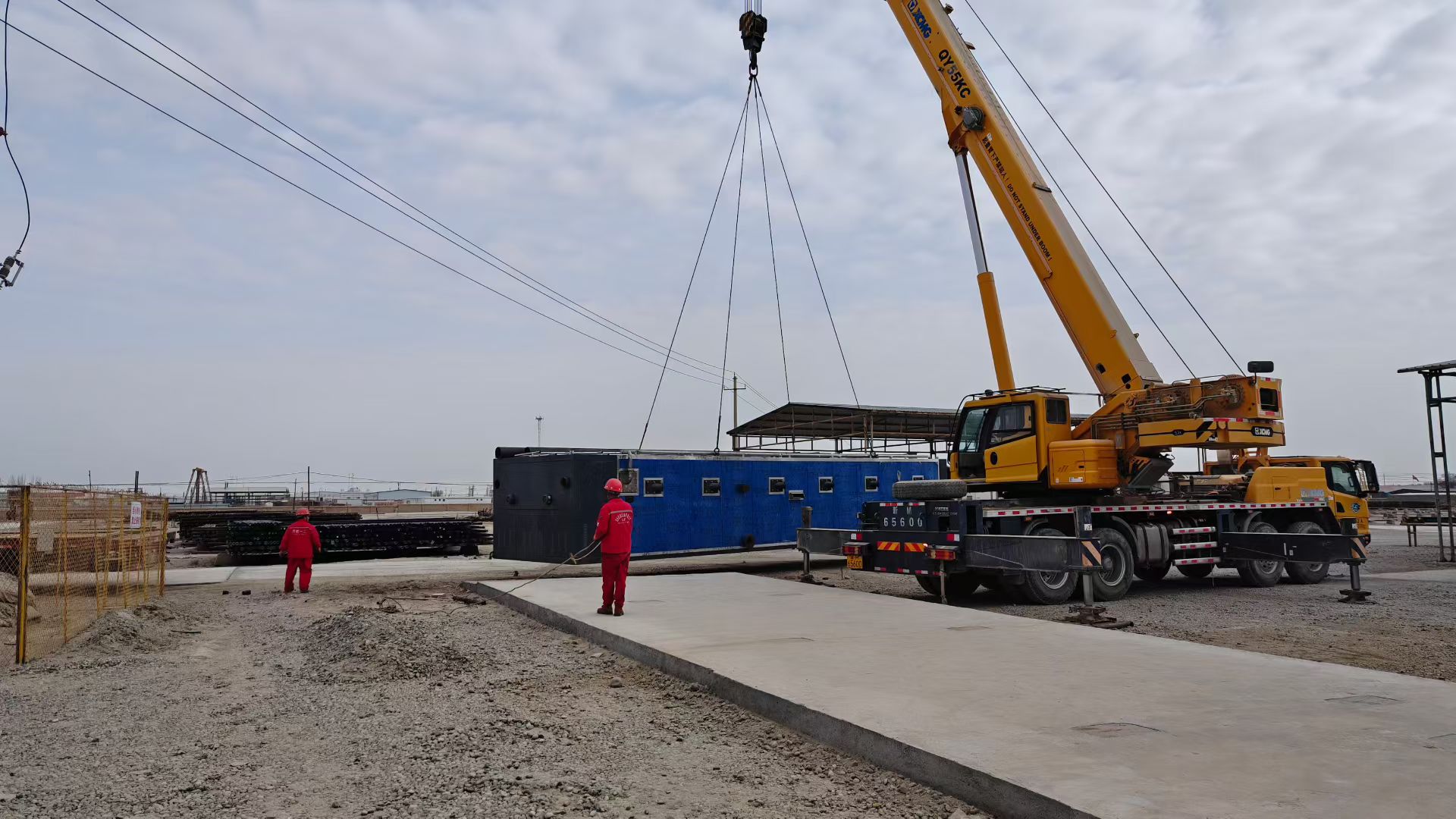
4. Working Process (Standard Automatic Operation Procedure)
- Tubing Loading and Positioning: The tubing is sent to the cleaning station by the automatic loading machine, and the laser positioning system calibrates the central axis.
- Inner Wall Pre-treatment: The flexible scraping mechanism or sponge projectiles are injected from the pipe orifice, and driven by air pressure to move at high speed along the inner wall to complete the initial scraping.
- Outer Wall Cleaning: The tubing starts to rotate, the surrounding nozzles on the outer wall are activated, and the dry air/dry ice medium continuously impacts for 3-5 minutes.
- Fine Cleaning (Optional): Start local high-pressure air focused cleaning for stubborn areas.
- Impurity Recovery: The stripped impurities enter the cyclone separator through the negative pressure pipeline, solid particles settle, and the gas is discharged after filtration.
- Tubing Unloading and Inspection: The tubing is unloaded automatically, the laser thickness gauge detects the wall thickness change, and the data is uploaded to the MES system.
- Equipment Self-cleaning: After cleaning, the system automatically back-blows the nozzles to prevent blockage.
5. Technical Parameters (Industrial Standard)
6. Application Value and Economic Benefits
7. Current Technical Bottlenecks and Development Trends
- Bottlenecks: Pneumatic projectiles are prone to jamming when cleaning the inner wall of ultra-long tubing (>12m); high wax content tubing needs preheating assistance, which reduces the dry cleaning efficiency; there is a lack of a unified "dry cleaning effect evaluation standard".
- Trends: Intelligentization: Integrated AI visual identification of dirt grades, automatically adjusting cleaning parameters; Compoundization: Combined dry ice and plasma cleaning to improve the removal rate of stubborn dirt; Modularization: Detachable inner wall scraping modules, which can quickly adapt to different pipe diameters.