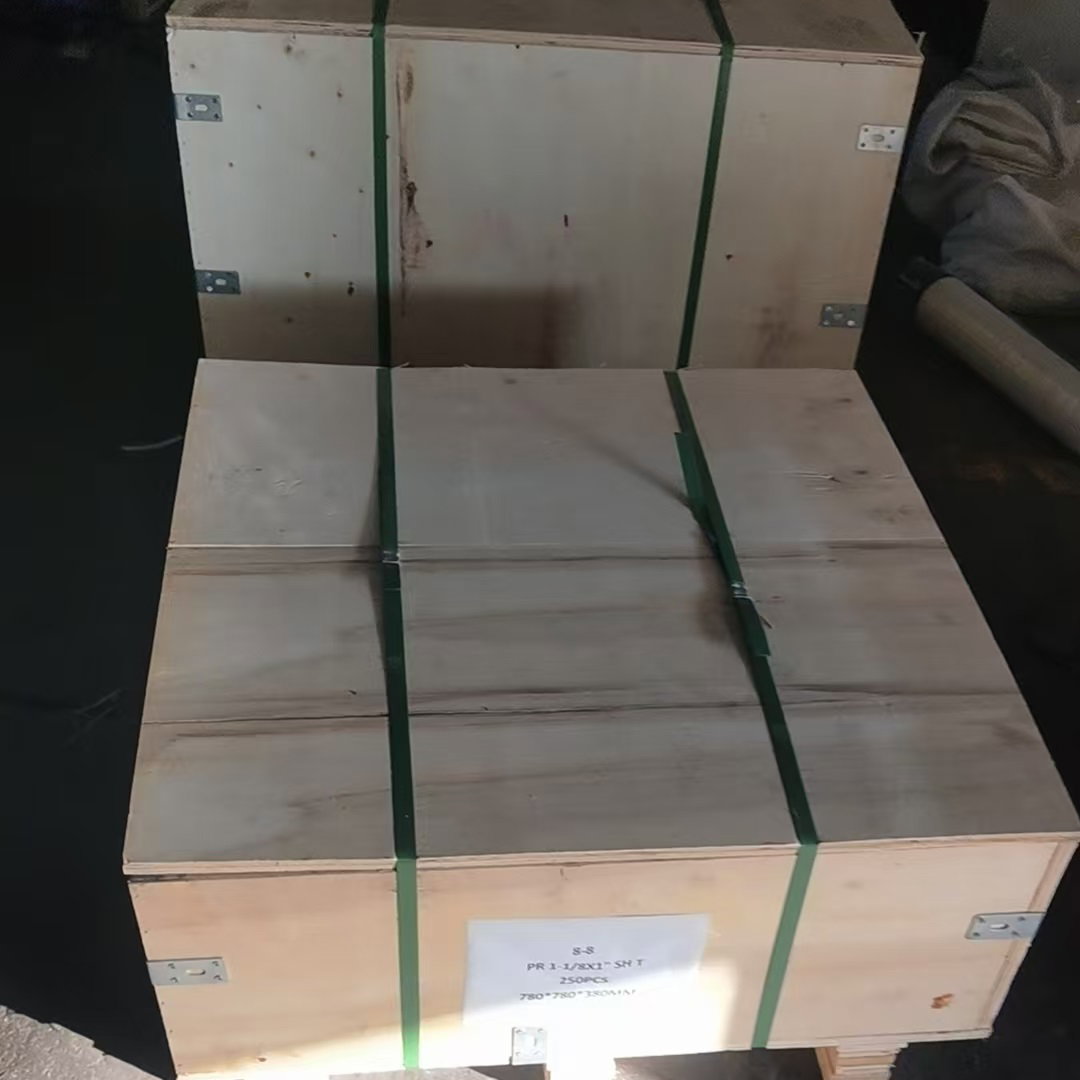
7/8" Slim Hole Sucker Rod Coupling T Grade
The 7/8" Slim Hole T Grade sucker rod coupling is a critical connecting component in the sucker rod pumping system of an oilfield. Below is a detailed overview covering specifications, structure, materials, and key selection considerations.
- Brand: HNSZ
- SKU: 1280
- Shipping:
- Return Policy: <div class="return-policy"> <h2>No-Risk Return Policy</h2> <p>Not 100% satisfied? We make returns easy.</p> <div class="highlight-box"> <h3>🔄 30-Day Returns</h3> <p>Return any item in original condition within 30 days for a full refund.</p> </div> <h3>📦 How to Return:</h3> <ol> <li><strong>Contact us</strong> at returns@yourstore.com with your order number</li> <li><strong>Get approval</strong> + return shipping label (if applicable)</li> <li><strong>Ship back</strong> via prepaid method</li> </ol> <h3>❗ Important Notes:</h3> <ul> <li>Refunds exclude original shipping fees</li> <li>Customs duties on international returns are non-refundable</li> <li>Final sale items marked "Non-returnable" are excluded</li> </ul> <p>🔔 <em>Need help? Chat live with our support team → [右下角聊天图标]</em></p> </div>
Learn More
7/8" Slim Hole Sucker Rod Coupling T Grade
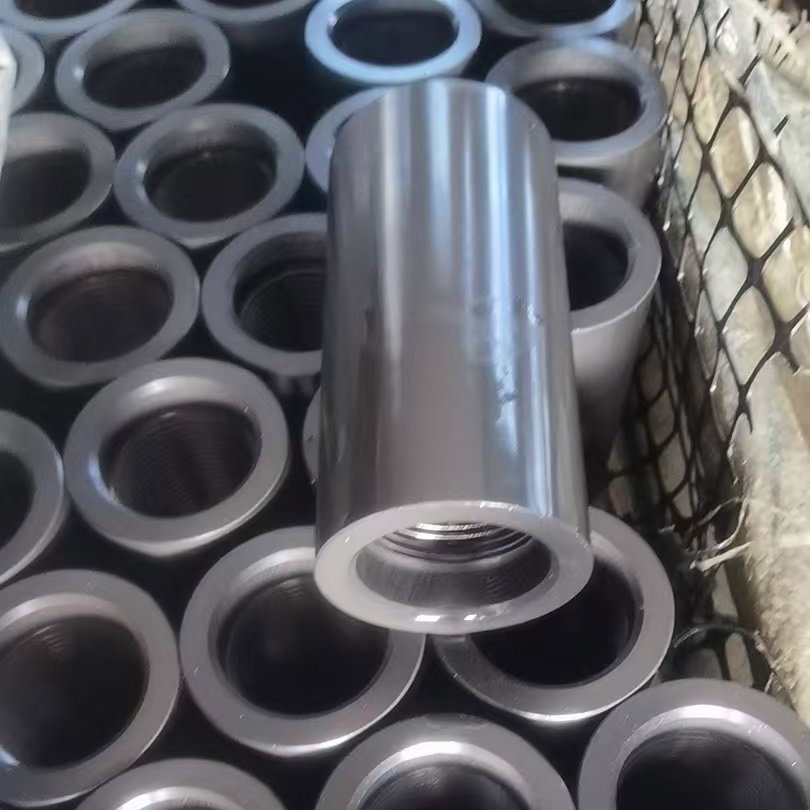
The 7/8-inch sucker rod coupling is a critical connecting component in the sucker rod pumping system of an oilfield. Below is a detailed overview covering specifications, structure, materials, and key selection considerations.
Products Information
---------------------------------------------------------
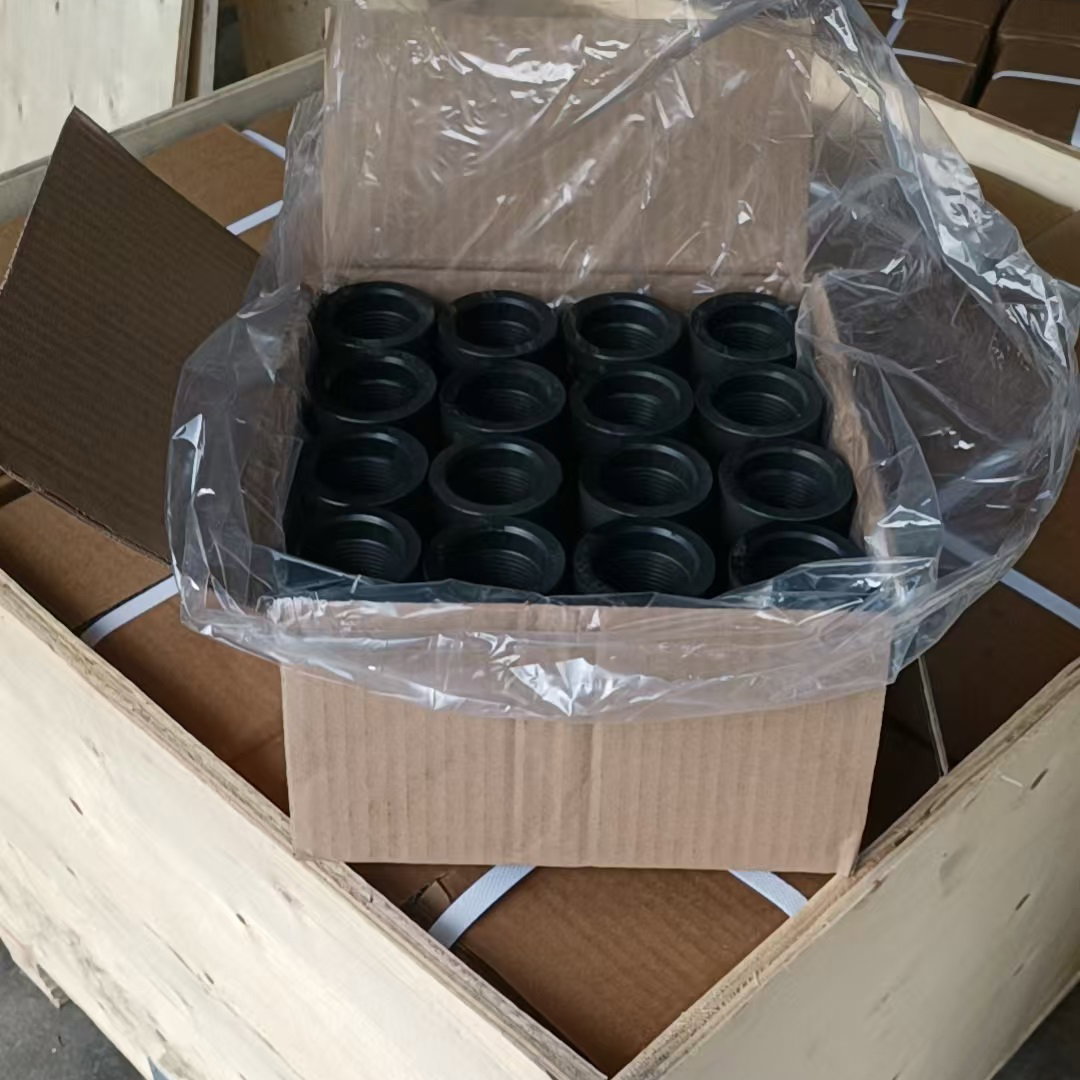
I. Basic Parameters and Dimensions
This is the core information, with data primarily based on the API Spec 11B standard.
Nominal Size: 7/8 inch, used to connect sucker rods of the same size.
Coupling Outer Diameter (OD): The standard OD is 1.5 inches (approx. 38.1 mm) . There is also a slimhole coupling for special well conditions with an OD of 1.25 inches (approx. 31.75 mm) , which must be explicitly specified when ordering.
Coupling Length: The standard length is 4.0 inches (approx. 101.6 mm) .
Connection Thread: Unified as a special truncated trapezoidal thread form: 15/16 inch - 10 TPI (UNS) . This is a flat-form thread requiring high machining precision to ensure proper preload.
Wrench Flat Width: The standard width is 1.125 inches (approx. 28.575 mm) . Slimhole couplings will have a smaller width.
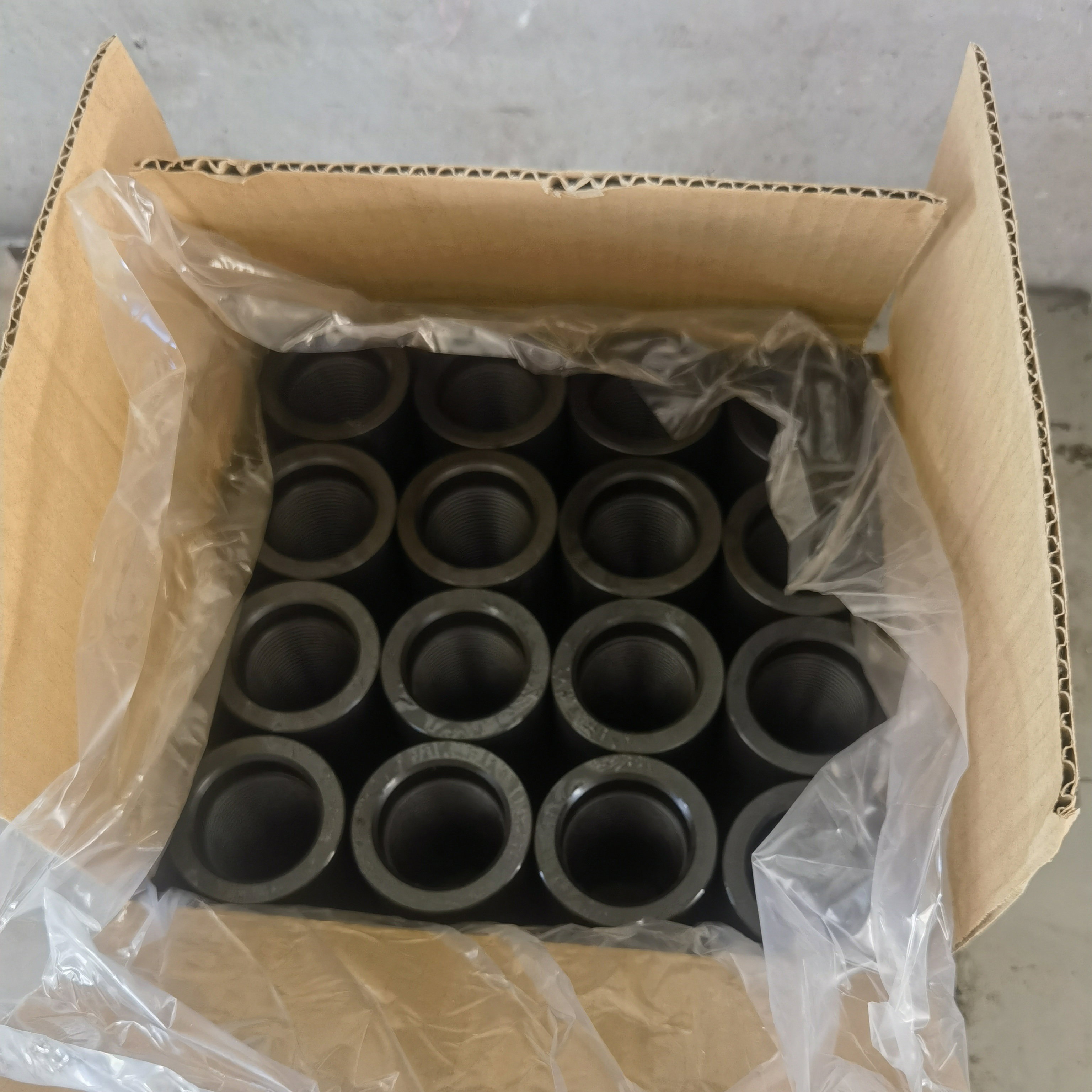
II. Coupling Types and Materials
Based on structure and application, there are two main types:
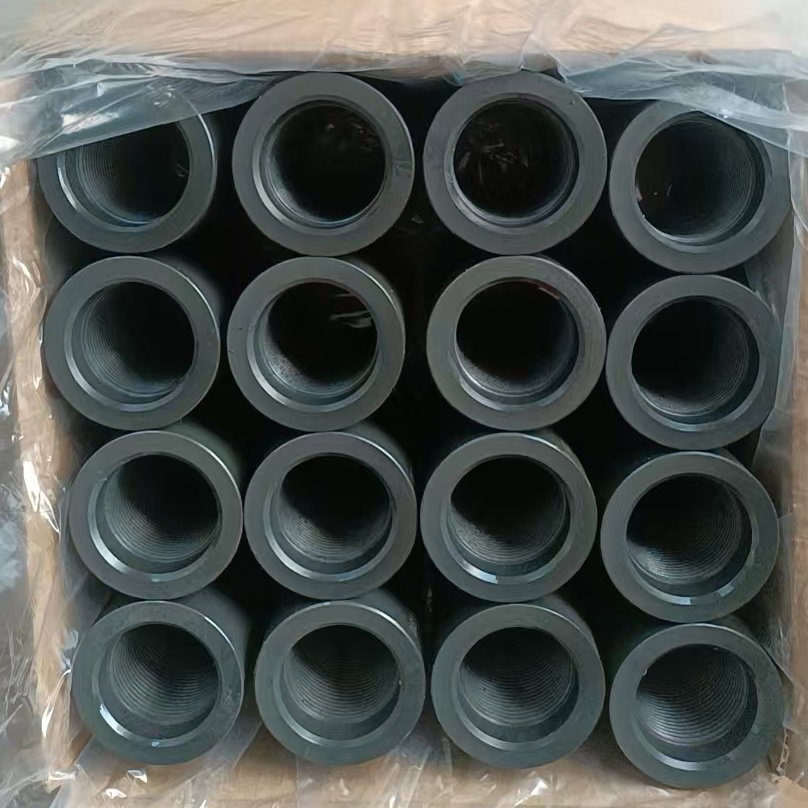
Standard Coupling (Box & Box)
Features internal threads on both ends, with a cylindrical profile and a constant full-length OD.
Lower cost and most widely used. The disadvantage is a reduced flow area within the tubing, leading to higher fluid friction.
Material and Strength: Must match the strength grade of the connected sucker rod. Common grades include:
Grade C (Carbon Steel): For Grade D rods, yield strength ≥ 620 MPa.
Grade K (Nickel-Molybdenum Alloy Steel): For Grade K rods, offers corrosion resistance.
Grade A (Chromium-Molybdenum Alloy Steel): For Grade H rods, yield strength ≥ 795 MPa, high strength.
Surface Treatment: Typically phosphating is applied for corrosion protection and lubrication.
Upset Coupling (Upset Box)
Also has internal threads on both ends, but features an enlarged OD in the middle section, while the ends retain the standard OD. Commonly referred to as a "fat coupling" or "oversize coupling".
Although manufacturing costs are higher, the enlarged section reduces the annular space between the coupling and the tubing, effectively decreasing fluid pressure head loss. It is often used in wells with large pump diameters and high fluid production rates.
III. Associated Sub Rods
Sub rods are used to adjust the length of the sucker rod string and are also a high-failure area for sucker rods. A 7/8-inch rod typically uses sub rods with a 15/16-inch thread. Common specifications are as follows:
Standard Lengths: 12 inches (305 mm), 18 inches (457 mm), 24 inches (610 mm), 36 inches (914 mm).
Configuration:
Type A: One pin (male) end, one box (female) end.
Type B: Both ends are pin (male) ends, used in conjunction with a coupling.
Material Match: Also available in Grades C, K, and A, and must match the grade of the rod string and coupling.
IV. Key Inspection and Quality Control
Critical Dimensions: Go/No-Go thread gauges, OD, ovality, wrench flat width.
Non-Destructive Testing (NDT): 100% magnetic particle inspection (MPI) or fluorescent penetrant inspection (FPI) must be performed on every piece to detect surface defects such as forging laps and cracks.
Mechanical Properties: Tensile, hardness, and impact tests must be conducted per heat lot number to verify the material.
Marking: The finished outer surface must be clearly marked with steel stenciling, including: manufacturer's code, size (7/8), material grade (C/K/A), thread specification (15/16), and the API monogram (if licensed).
V. Field Usage and Common Issues
Make-up Torque: This is the most critical field parameter. Never guess the torque. A hydraulic or electric calibrated torque wrench must be used. The recommended make-up torque for 7/8-inch Grade D/H rods is typically in the range of 81-110 N·m (60-81 ft·lbs) . The exact value must be referenced from the specific manufacturer's manual.
Common Failures
Breakage: Often caused by stress corrosion cracking, fatigue, or improper preload. It usually occurs at the thread root in the first engaged thread.
Galling: Thread damage characterized by scoring, caused by inadequate lubrication, presence of debris, misalignment during make-up, or excessive torque.
Corrosion/Wear: Eccentric wear is commonly seen in deviated well sections and is mitigated by using nylon centralizers/friction reducers.
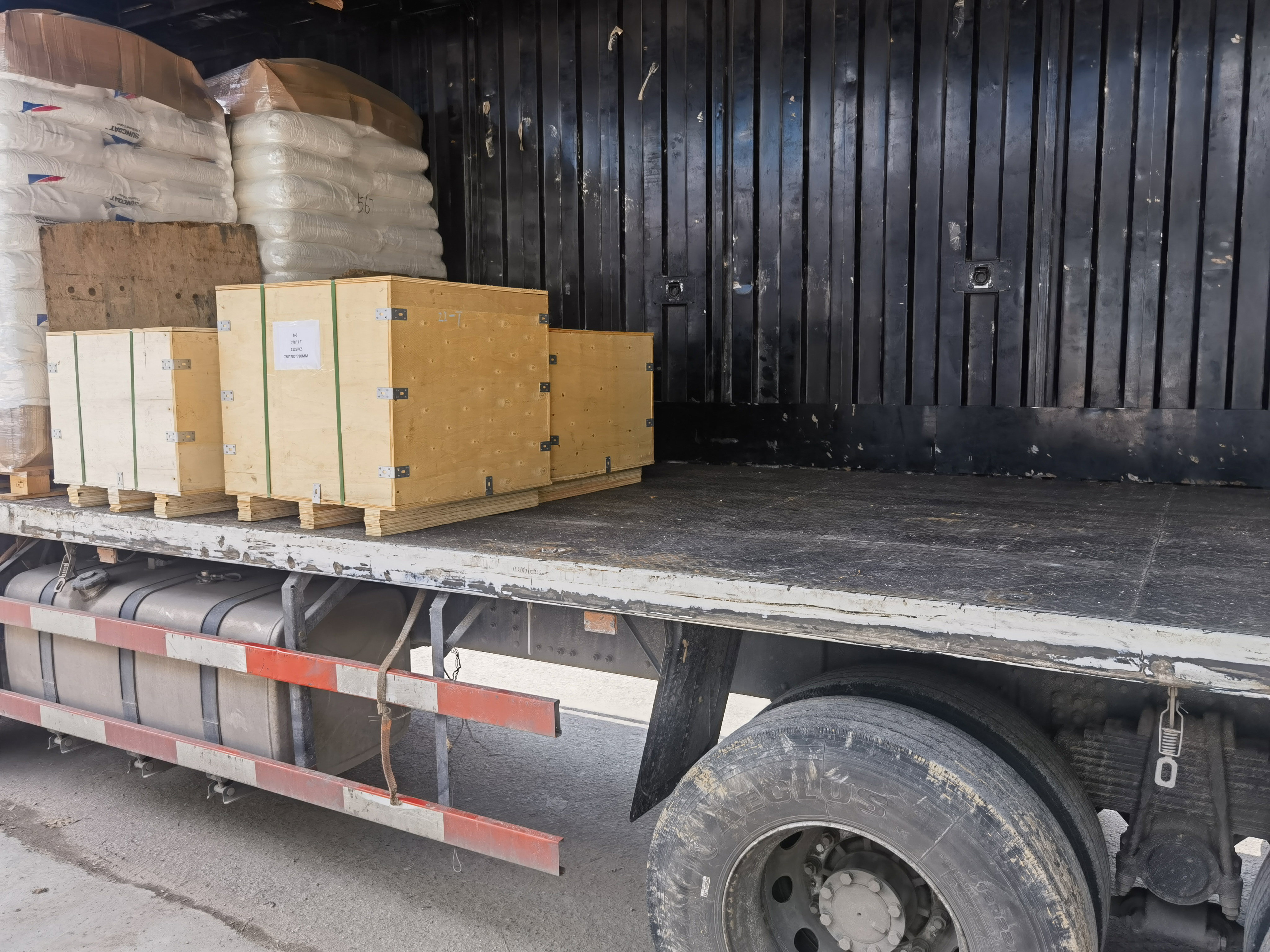
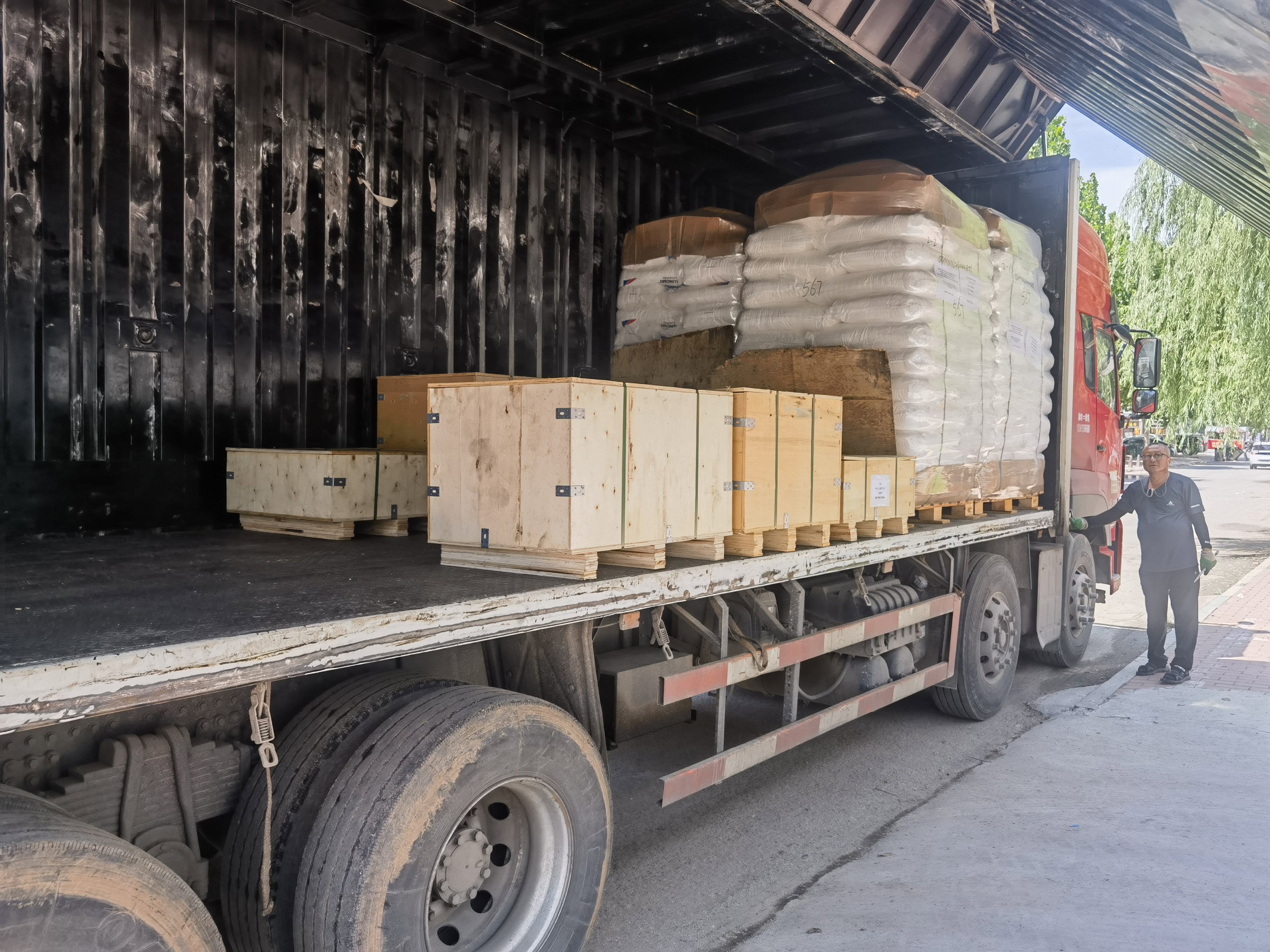
Storage and Transportation: Threads must be coated with rust preventive oil and fitted with thread protectors. Couplings should be stored by classification, and multi-layer stacking requires adequate dunnage to prevent bending.