hydrolic power tongs
Les pinces hydrauliques sont des outils mécaniques spécialisés utilisés dans l'industrie pétrolière et gazière pour le vissage et le démontage des raccords filetés de tubes, tels que les tiges de forage, les tubages et les tubes. Elles sont alimentées par des systèmes hydrauliques, fournissant un couple élevé avec précision et efficacité, réduisant ainsi le travail manuel et améliorant la sécurité des opérations de forage.
- Marque: Soleiljoy
- UGS: 40
- Livraison:
- Politique de Retour: <div class="return-policy"><h2>Politique de retour sans risque</h2><p> Pas entièrement satisfait ? Retours faciles.</p><div class="highlight-box"><h3>
En savoir plus
Hydraulic Power Tongs
1. Overview
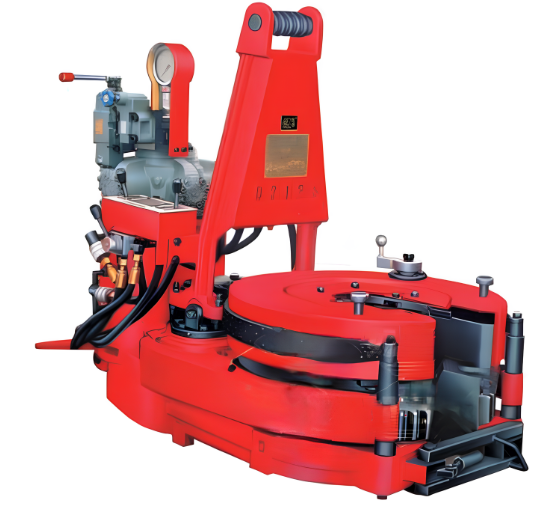
Hydraulic Power Tongs, often simply called Power Tongs or Drill Pipe Tongs, are essential pieces of equipment on the rig floor for modern oil drilling and workover operations. They replaced the traditional, labor-intensive, and dangerous method of manual sledgehammering with tongs. Powered by a hydraulic system, they are designed to safely and efficiently make up (tighten) and break out (loosen) connections of drill pipes, casings, tubing, and other drill string components. Their core function is to deliver precise and controllable torque, ensuring each connection is tightened to the required specification, which is critical for the integrity of the drill string and the wellbore.
2. Main Components
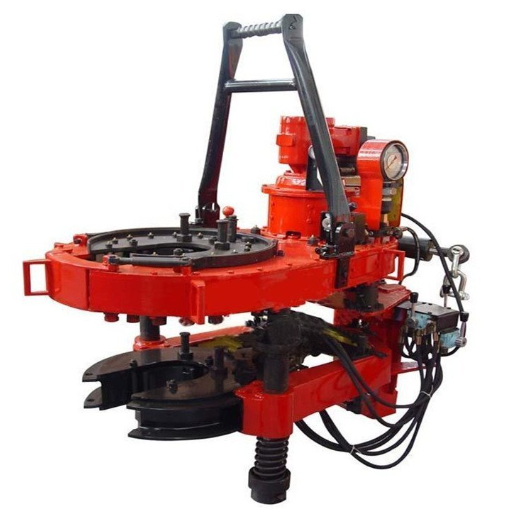
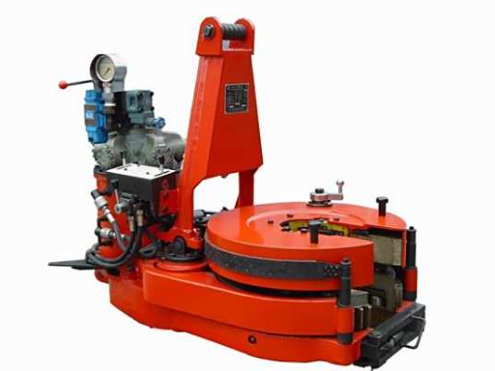
Tong Head (Jaw Assembly): The core working component, typically with two or four jaws lined with dies that grip and rotate the pipe.
Torque Control System: Regulates the maximum output torque through hydraulic pressure to prevent over-tightening or under-tightening.
Hydraulic Power System: Includes hydraulic motors, cylinders, and control valves that provide power for opening, closing, and rotating the tong head.
Backup System (Brachish System): Used during breakout to hold the lower section of the pipe and prevent it from rotating.
Lifting System: Includes a bail, link, and counterweight, allowing the tongs to be easily maneuvered and positioned over the wellhead.
Control System: An operator console (often remote) from which all functions of the tongs are controlled.
3. Working Principle
The operator positions the tongs over the wellhead, centering the pipe within the tong head. The hydraulic system is activated, causing the jaws to close and the hardened dies to grip the pipe securely. The hydraulic motor then rotates the tong head, which in turn rotates the pipe to either make up or break out the connection. The applied torque is precisely controlled by the hydraulic pressure and is typically displayed on a gauge.
4. Key Features & Advantages
Efficiency and Safety: Dramatically increases operation speed, reduces manual labor, and eliminates the high risk of workers handling heavy tools directly at the wellhead.
Precise Torque Control: Allows for preset and accurate torque application, ensuring connection quality and preventing leaks or galling due to incorrect torque.
High Automation: Can be integrated with other mechanized equipment like iron roughnecks and elevators to automate pipe handling.
Versatility: Can handle various diameters of drill pipe, casing, and tubing by changing the jaw dies.
5. Application Areas
Primarily used in onshore and offshore:
Oil & Gas Drilling: For connecting and disconnecting the drill string during tripping operations.
Workover and Completion Operations: Running in or pulling out tubing and tool strings.
Casing Running: Connecting large-diameter casing strings.